Mutation rates · rare genetic variation
Mutation rates and rare genetic variation
New mutations are the source of all genetic variation within populations and ultimately all evolutionary change. Different sites in the genome differ by orders of magnitude in their germline mutation rates, and these differences dominate the distribution of rare variation observed in sequencing studies.
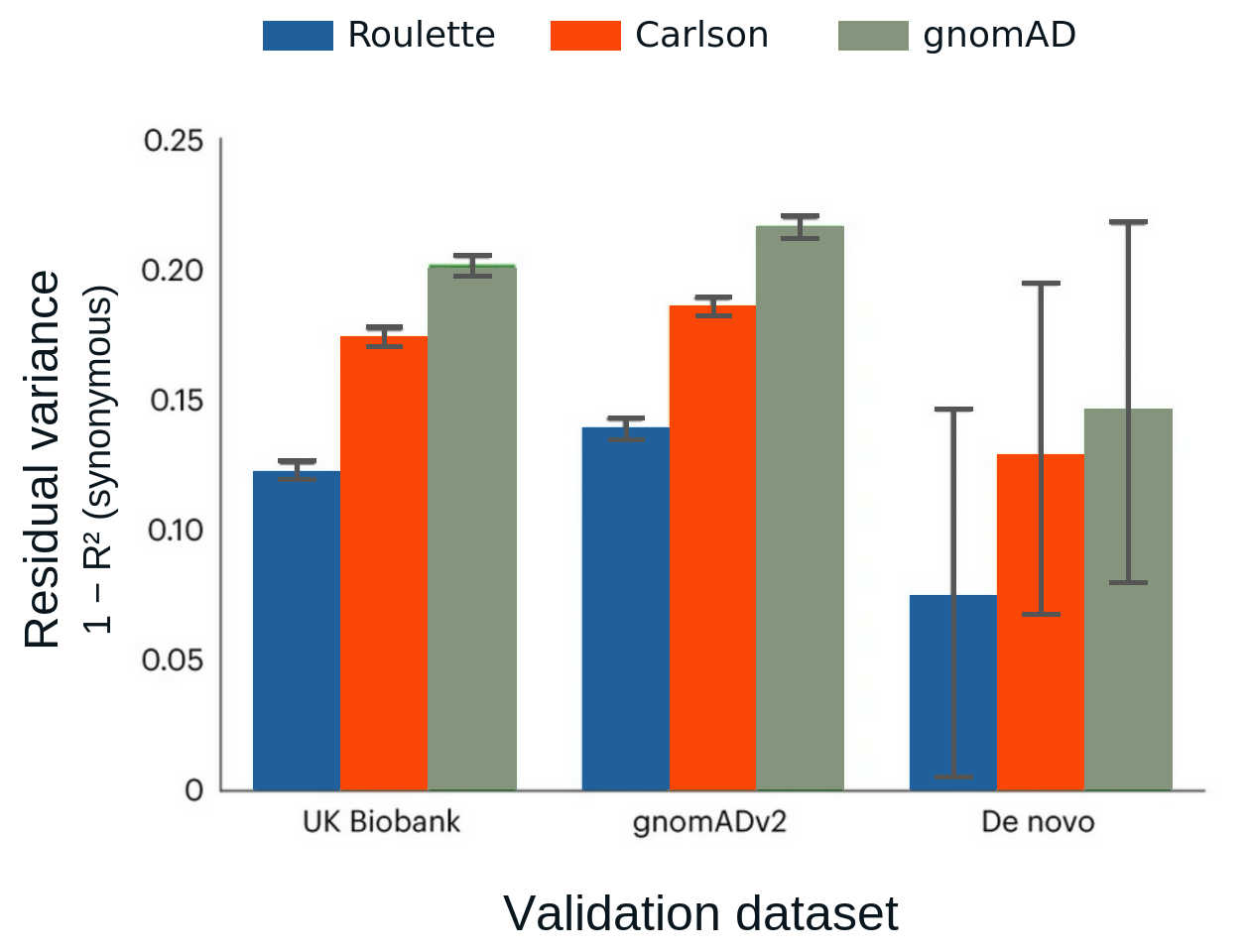
We develop theory and methods to understand mutation rates and to better utilize rare variation in genetic analyses. We previously worked on Roulette, which provides basepair-resolution predictions across the human genome, and current efforts are focused on improving accuracy and providing a complete description of hypermutable elements in the human genome.
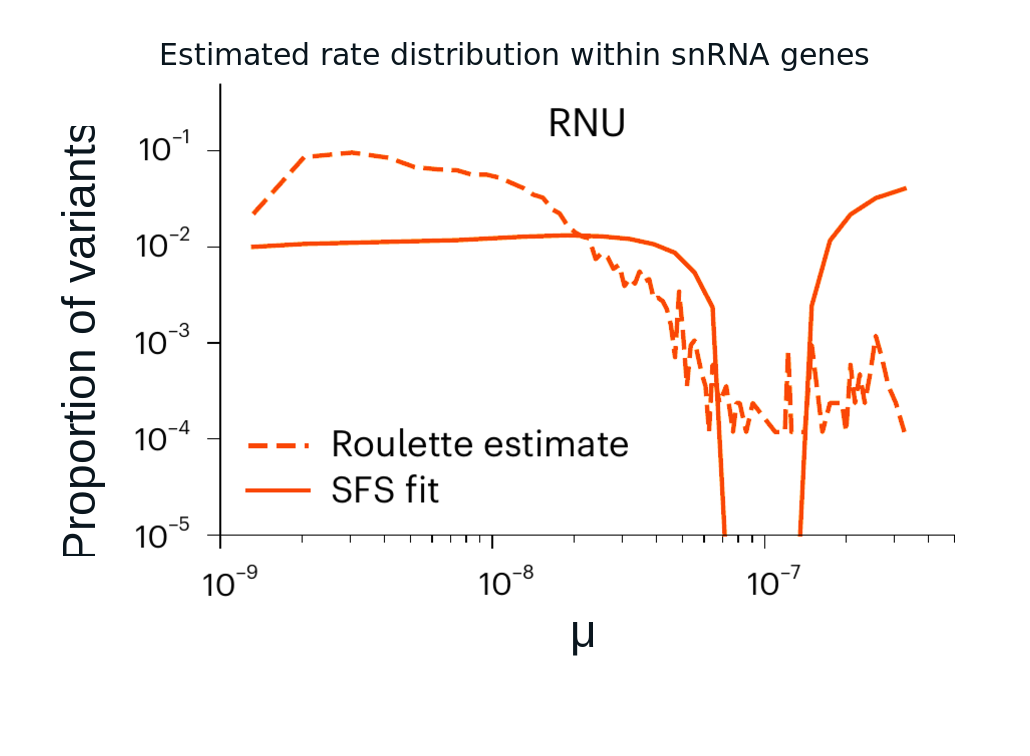
We also developed population-genetic models for how recurrent mutations in large samples and at high mutation-rate sites affect allele frequencies, and applied these models to improve the identification of mutational processes, estimate mutation-rate distributions in hypermutable regions, and fit recent demographic history.
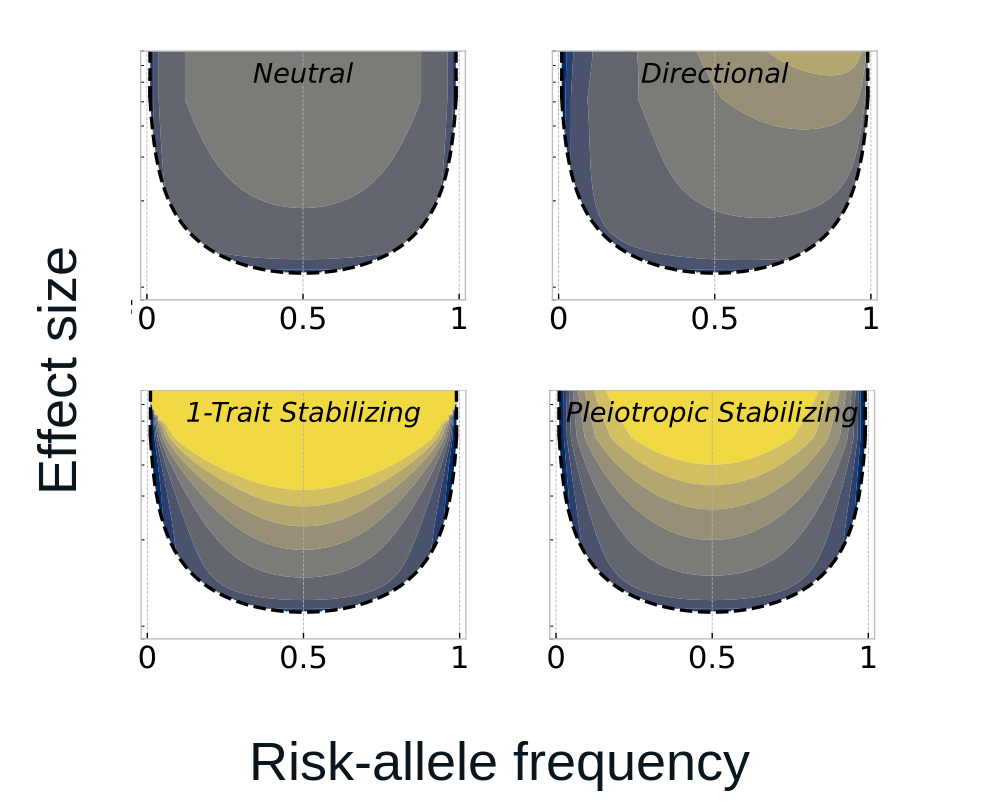
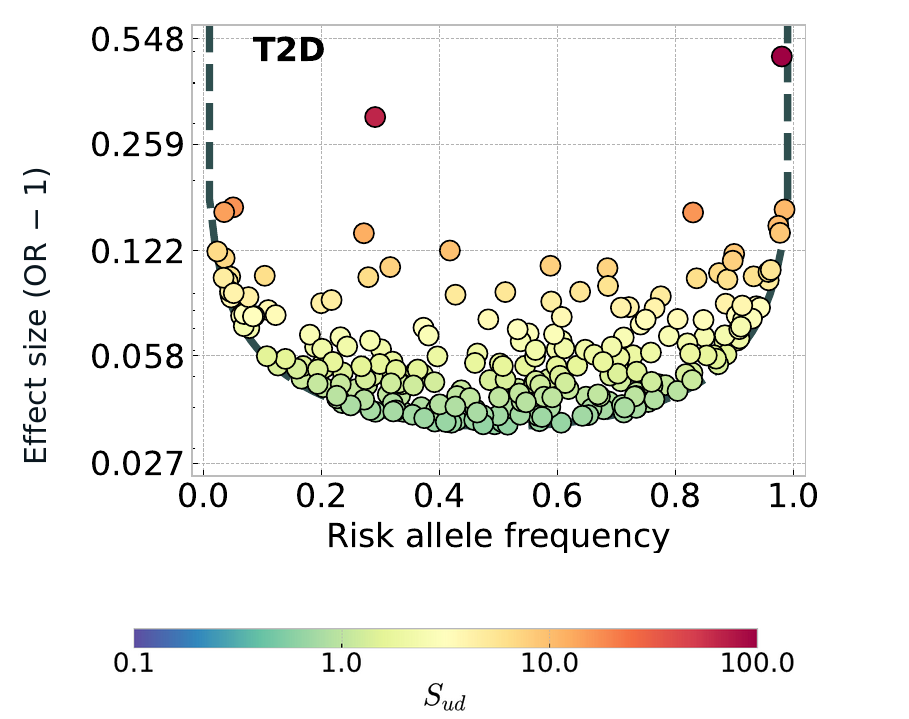
While an overabundance of variation relative to model predictions can indicate enhanced mutability, depletions of genetic variation indicate selective constraint and possible disease contributions. Highly mutable sites that remain invariant in enormous sequencing cohorts provide strong evidence for selection.